Iron Supplement for Pregnancy — Without Constipation or Nausea
Pregnancy creates a 'perfect storm' for iron intolerance: progesterone slows gut motility by 30–50%, hCG peaks at weeks 8–12 driving baseline nausea, and blood volume expands 40–50% demanding ~500 mg additional iron. When free Fe²⁺ ions from salt-based supplements add Fenton-reaction mucosal damage on top of this — most women stop taking iron in the first trimester, exactly when building stores matters most
The problem is not just needing iron — it's needing a type you can actually stay on without feeling worse every day
Hemascore is an iron supplement by Private Therapy, formulated with ferrous bisglycinate and folic acid — developed specifically as a gentler option for pregnant women with GI sensitivity to standard iron forms.
Quick Summary
- Iron requirements increase to 27 mg/day during pregnancy — nearly double the non-pregnant requirement
- Most pregnancy iron intolerance is caused by the iron form (sulfate), not by iron itself
- Ferrous Bisglycinate absorbs via PepT1 without releasing free iron that damages the stomach lining
- Hemascore provides 36 mg elemental iron per capsule in chelated bisglycinate form
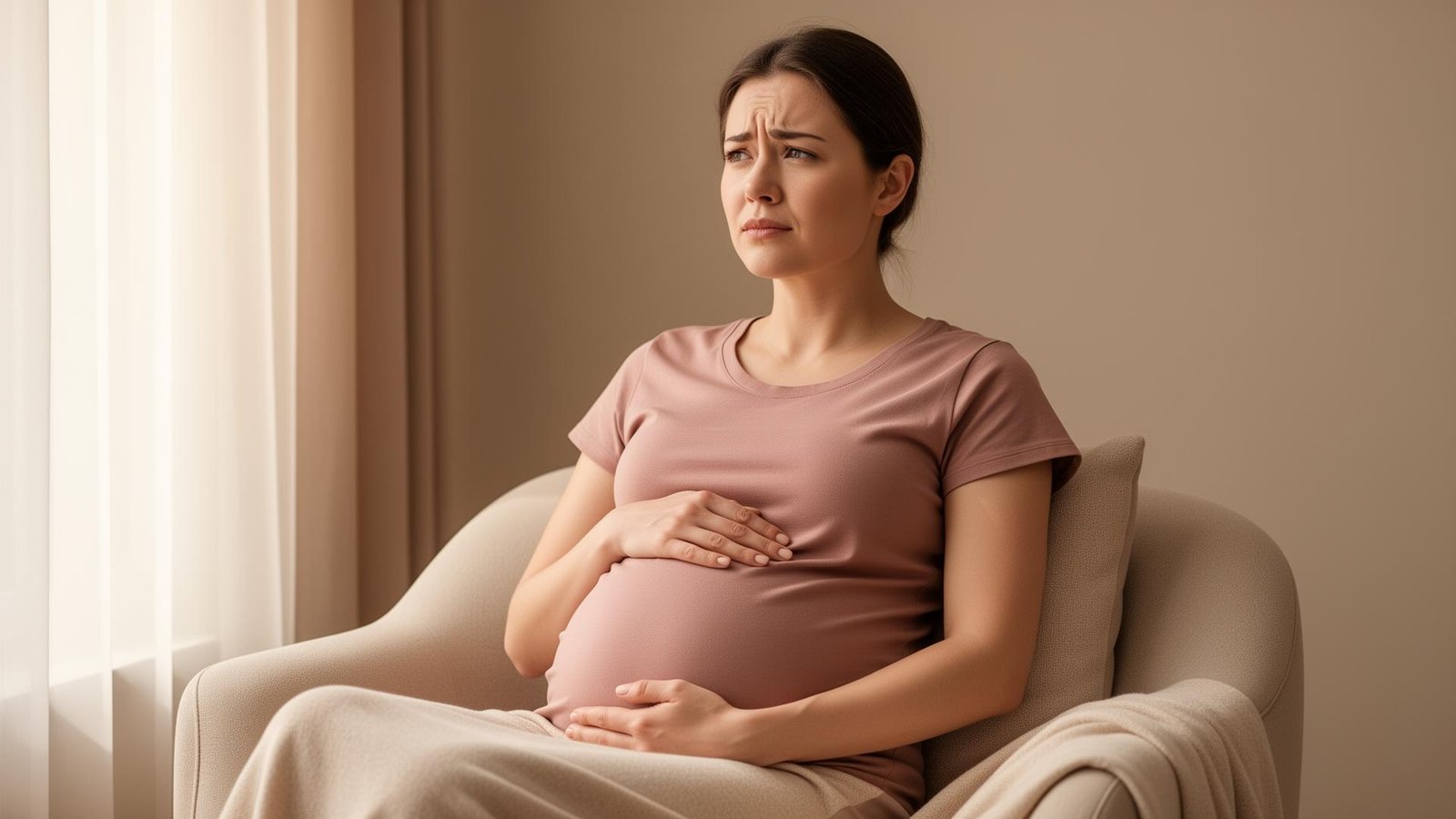
Why pregnancy makes iron harder to tolerate — the physiology
Iron intolerance during pregnancy is not a sensitivity issue — it is the predictable result of four physiological changes happening simultaneously
Progesterone slows gut motility
Rising progesterone levels relax smooth muscle throughout the body — including the intestinal wall. This reduces peristaltic frequency and strength, slowing transit time by 30–50%. When iron supplements add free-ion oxidative stress to an already-sluggish gut, constipation becomes almost inevitable with salt-based forms.
hCG amplifies first-trimester nausea
Human chorionic gonadotropin (hCG) peaks at weeks 8–12, driving the nausea that affects 70–80% of pregnant women. Iron supplements that release free Fe²⁺ ions cause additional gastric mucosal irritation via Fenton reactions — compounding the hCG-driven nausea into a double burden that leads many women to discontinue iron in the first trimester.
Blood volume expands 40–50%
Maternal blood volume increases from ~5L to ~7–7.5L by the third trimester. This haemodilution requires significantly more iron for haemoglobin synthesis — approximately 500 mg of additional iron over the pregnancy. Discontinuing iron due to GI side effects during this period has direct consequences for maternal Hb levels and fetal iron stores.
Physical compression reduces GI capacity
As the uterus expands, particularly from the second trimester onward, it physically compresses the stomach and intestines. This reduces gastric capacity and slows digestion further — meaning any iron-induced GI irritation is experienced more intensely in a smaller, more compressed digestive space.
This is why pregnancy is the single context where the form of iron matters most. The same dose of the same element produces dramatically different GI experiences depending on whether it releases free ions or stays chelated through the stomach.
Iron needs change across trimesters — and so does tolerance
Understanding when iron demand peaks helps explain why tolerability is not a fixed experience throughout pregnancy
First trimester
Iron absorption need is moderate (~1–2 mg/day absorbed), but tolerance is at its lowest due to peak hCG levels. This is when most women discontinue iron — often the worst time to stop, as building stores early prevents third-trimester deficiency. A chelated form that avoids gastric irritation during this window is clinically significant.
Second trimester
Blood volume expansion accelerates. Absorbed iron need rises to ~4–5 mg/day. hCG-driven nausea typically subsides, but progesterone continues slowing GI motility. Women who discontinued sulfate-based iron in the first trimester often attempt to restart here — and re-encounter the same constipation if they return to the same form.
Third trimester
Peak iron demand: ~6–7 mg/day absorbed iron for fetal growth, placental function, and preparation for delivery blood loss. Haemoglobin below 11 g/dL at this stage is classified as anaemia by WHO. Physical uterine compression compounds any remaining GI intolerance. Consistent daily supplementation through this trimester is most critical — and most difficult with poorly tolerated forms.
WHO recommends 30–60 mg elemental iron daily throughout pregnancy. The challenge is not the recommendation — it is staying on it consistently when GI side effects accumulate over 9 months.
Why ferrous bisglycinate addresses the pregnancy-specific problem
The pregnancy tolerability problem has a specific biochemical cause — and chelated iron targets that cause directly
No free-ion release in the stomach
In ferrous bisglycinate, the iron atom remains bonded to two glycine molecules through gastric transit. No free Fe²⁺ ions means no Fenton-reaction oxidative stress on the gastric mucosa — removing the supplement-specific layer from the pregnancy nausea stack (hCG + progesterone + free ions).
PepT1 absorption bypasses the constipation pathway
The chelated molecule is absorbed via peptide transporters (PepT1) rather than DMT1. Less unabsorbed iron reaches the colon, reducing the microbiome disruption and water-reabsorption effects that drive iron-related constipation — the symptom already amplified by progesterone-slowed peristalsis.
Folic acid addresses the concurrent folate need
Hemascore includes folic acid — not as a marketing addition, but because iron deficiency and folate deficiency frequently co-occur in pregnancy. Folate is essential for neural tube development (first 28 days) and ongoing DNA synthesis during rapid fetal cell division. Combining both in a single daily capsule reduces pill burden during a period when every additional dose risks triggering nausea.
Clinical evidence in pregnancy specifically
Milman et al. (2018) conducted an RCT comparing ferrous bisglycinate to ferrous sulfate in pregnant women, finding comparable haemoglobin outcomes with lower GI side-effect rates. Young et al. (2022) confirmed these findings with a bisglycinate + folinic acid combination. These are pregnancy-specific trials — not extrapolations from general population data.
Hemascore is not appropriate for severe anaemia (Hb < 7 g/dL) which may require IV iron, or for women with iron overload disorders. All iron supplementation during pregnancy should be guided by your healthcare provider based on haemoglobin and ferritin monitoring.
This page is most relevant if you are…
In the first trimester and struggling to keep iron down due to combined hCG nausea and iron-induced gastric irritation
Re-starting iron in the second or third trimester after discontinuing a sulfate-based supplement earlier
Experiencing constipation that worsened after starting iron during pregnancy (suggesting free-ion-driven motility disruption on top of progesterone effects)
Your doctor has confirmed iron deficiency or low ferritin but your previous supplement caused GI side effects that led to poor adherence
Looking for a single-capsule option that combines chelated iron with folic acid to reduce pill burden during pregnancy
Iron supplementation during pregnancy should always be guided by haemoglobin and ferritin monitoring. The form of iron affects tolerability — your doctor determines whether supplementation is needed and at what dose
If your doctor has confirmed you need iron but your current supplement is causing GI issues, Hemascore may be a practical alternative to discuss.
See Full Product Details

Frequently Asked Questions
Still looking for an iron option that feels easier to stay on?
See Full Product DetailsRead Also

You don't have to go back to the same uncomfortable iron experience
Stomach comfort matters. Consistency matters. A gentler option may make daily use easier — so you can stay on it without dreading every dose
Reviewed by Dr. Ahmed Hamdi
Clinical Pharmacist · Nutrition & Dietary Supplements Specialist
View full profile →